
The arrival of new hens is a step to prepare with care. Here is the method we recommend so your purebred birds acclimatise calmly to their new home.
The first week
For 1 week, place the birds in a calm, modestly sized place, without outdoor access. If possible, do not place other animals with them; otherwise, watch that integration goes well.
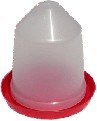
Place a siphon-type drinker on the ground (photo opposite): the birds are used to it, as in the first days they are watered with this kind of drinker. Avoid bowls, pans or basins.
Provide suitable feed: a "second-age chicken" or "grower" feed (two terms for the same feed) is ideal for their age. It usually comes as pellets, but choose a crumb form if possible. Give this feed until adulthood, then switch to layer feed. A suitable feeder prevents hens from soiling or wasting their food.
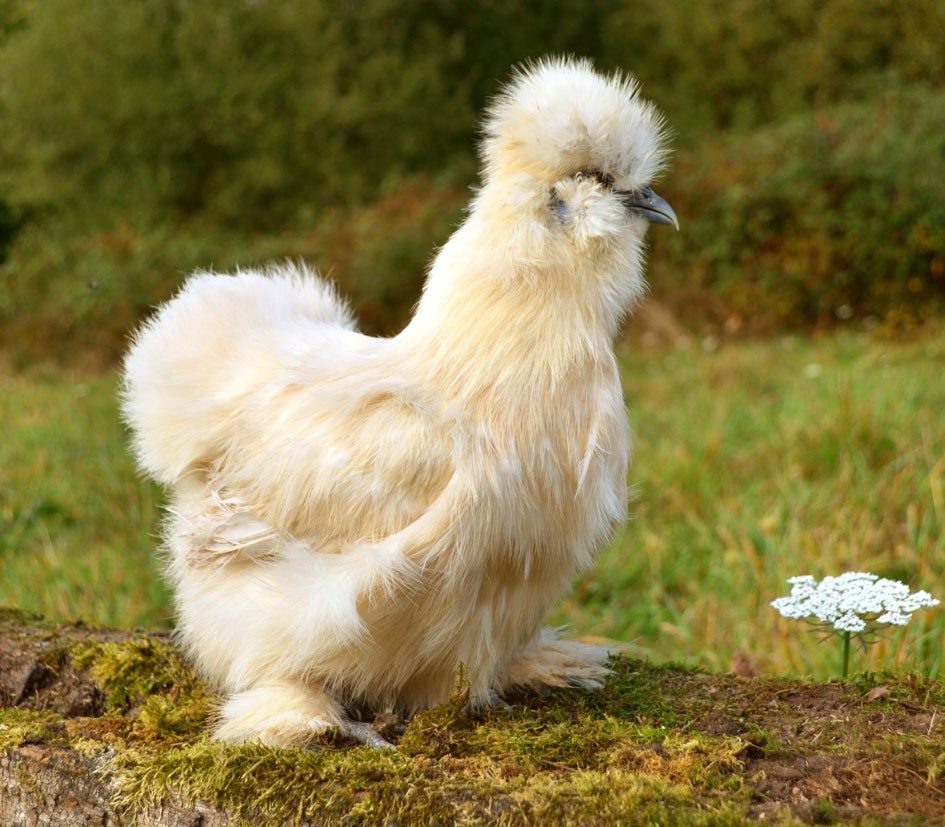
The birds are not used to perching and will be unsettled if you place them up high (especially the Silkie): do not be surprised if they sleep on the ground. If crests limit visibility too much, you can trim the feathers around the eyes until they are clear.
The essentials
Basic needs
- Food and water
- Shelter from wind and rain
- Protection from predators
Watch out for
- Excess humidity
- No treats (sweets, chocolate…)
- Avoid noise-related stress
Getting the setup right
- A coop: allow 2 to 3 m² per bird to limit cleaning and be able to shut the animals in; if the hens are out continuously, a small covered area sheltered from the wind is enough.
- A nest lined with straw for laying.
- A clean litter: prefer wood shavings to straw, which attracts fleas and lice.
- Clean, drinkable water and suitable feed: avoid haphazard mixes. Chick or first-age feed for the first 3-5 weeks, then grower or second-age feed, then layer feed during laying/breeding. You may supplement with cereals such as wheat — but avoid during growth and breeding. All meal scraps are also very good for poultry.
- Access to an outdoor run to always have grass: allow 15 to 20 m² per bird.
On the health side, it is strongly recommended to worm your birds twice a year.
Further reading: Living well with your hens · Raising your chicks · Discover our breeds
Cyril Névot — Elsanor farm